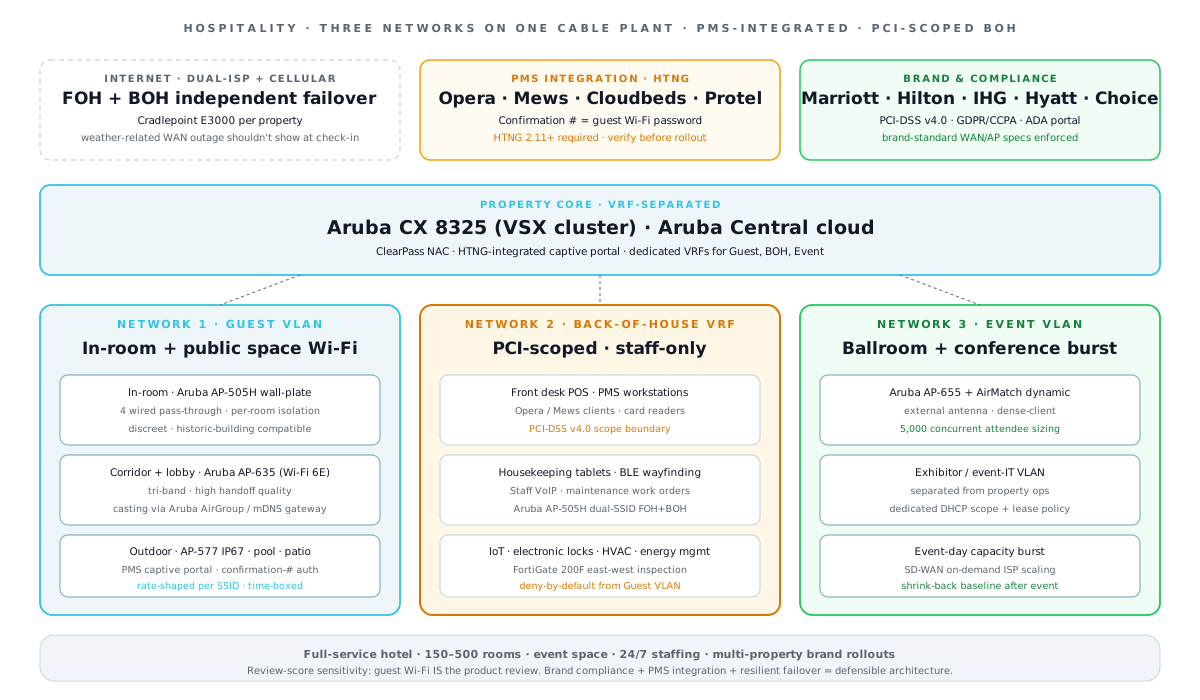
In hospitality, the network IS the product review. Slow guest Wi-Fi shows up in TripAdvisor within a week. Netcom designs hotel networks that handle room density, event-space bandwidth bursts, and PMS integration — while keeping the back-of-house LAN PCI-scoped and securely separate.
A hotel isn't one network — it's at least three with very different requirements sharing the same building. Guest Wi-Fi needs throughput, handoff quality, and captive-portal integration with the PMS. Back-of-house (housekeeping tablets, POS, reservations) needs security, PCI scope isolation, and uptime. Event spaces need elastic bandwidth that bursts for a keynote and returns to baseline afterward.
On top of that: in-room entertainment streaming, voice-over-Wi-Fi for staff, BLE for indoor wayfinding, Chromecast/Apple TV multicast for guest casting, and IoT for smart locks and energy management. When any one of these fails visibly to a guest, it shows up as a two-star review.
Netcom designs hospitality networks as an explicit multi-SSID, multi-VLAN, multi-policy architecture — not a single "hotel network" with everything crammed together. Purpose-built hospitality APs in rooms where density and discreet mounting matter. PMS integration so the guest password is the confirmation number. Dedicated event-space VLANs with on-demand bandwidth shaping. And cellular failover at every property so the weather-related WAN outage doesn't show up at check-in.
Sized for a full-service hotel (150–500 rooms with event space). Scales down for boutique inns and up for resort-scale properties.
Illustrative properties drawn from real deployment patterns. Names are fictional; scope, vendors, and outcomes reflect actual Netcom work.
14 properties on four different Wi-Fi vendors, three different PMS systems, declining connectivity-related review scores. Netcom standardized on Aruba AP-505H in rooms + AP-635 public spaces with HTNG-compliant PMS integration for Opera and Cloudbeds. PMS integration isn't plug-and-play: the Opera instance at two franchise properties was on an older version that didn't support HTNG 2.11; had to coordinate with the brand's corporate IT for a PMS upgrade before Wi-Fi integration could go live. Four months of waiting on a Marriott-level approval chain for a single upgrade ticket.
Six historic properties with cable-plant restrictions — no ceiling tile removal allowed in 1920s architecture, no visible AP mounts in period guest rooms. Netcom delivered Aruba AP-505H wall-plate units in rooms (tucked into existing outlet boxes), conduit-routed fiber to corridor APs, branded captive portal, Cradlepoint S700 failover. One property required a full redesign: a 1907 building's plaster walls carried so much metal lath that Wi-Fi couldn't penetrate between rooms. Ended up specifying an AP in every single room with careful channel planning instead of one-per-two-rooms — +$28K in hardware the ownership accepted when Ekahau validation made it undeniable.
Standalone conference center hosting 50-5,000-attendee events with bandwidth needs varying by an order of magnitude day to day. Netcom delivered Aruba AP-655 in ballrooms with AirMatch, dual-ISP SD-WAN with event-day capacity bursting, dedicated event-IT VLAN. First large event exposed a design gap: our initial DHCP scope sized for 2,500 concurrent clients got saturated in the first 90 minutes of a 4,200-attendee keynote. Moved to a larger scope with shorter lease times and added a second scope for overflow; ran the last six months without incident. Lesson baked into the reference design for future conference venues.
Send us your property list, room counts, and PMS platform. Within 10 business days you'll get a property-by-property Wi-Fi design, PMS integration plan, and cellular failover proposal.